
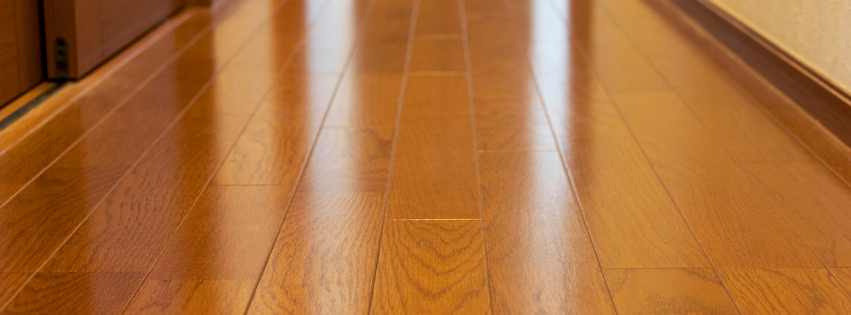
Can You Refinish Floors Without Moving Out? What Homeowners Should Know

Jereme Lovekin • October 28, 2025

Share this article

Refinishing your hardwood floors can completely transform your home — but it also raises a big question for many homeowners: “Do we have to move out while it’s being done?”


The short answer is: not always. Whether you can stay depends on the refinishing method, the type of finish used, and how much disruption you’re prepared to handle.

Understanding the Two Main Refinishing Methods

  • 1. Full Sanding and Refinishing

    This is the most intensive process. It involves sanding the wood down to bare timber, applying new stain, and sealing it with multiple coats of finish.


    •  Duration: 3–5 days (plus drying/curing time)

    •  Odor & Dust: Moderate to heavy, especially with oil-based products

    •  Mobility: You’ll need to stay out of treated rooms entirely until the finish cures


    While traditional sanding can create a lot of dust, modern refinishing uses advanced dust containment systems that greatly minimize mess and airborne particles. Still, for families with young kids, pets, or allergies, taking extra precautions—or planning to be away during the process—can make the experience more comfortable.


  • 2. Screening and Recoating

    Also called buff and coat, this process lightly abrades the existing finish and adds a fresh topcoat. It restores sheen, covers light scratches, and extends your floor’s life — without stripping it down to bare wood.


    •  Duration: Usually 1 day

    •  Odor & Dust: Minimal

    •  Mobility: You can often stay home — just avoid walking on treated floors for 24 hours with shoes on.Usually, you’ll be able to walk on it wearing socks within the day. You’ll start moving furnitures back two days after finishing.


    Many homeowners choose this option when their floors are dull but not deeply damaged. It’s faster, cleaner, and far less intrusive.


How Finish Type Affects Stay-at-Home Options

Not all finishes are created equal. The type your contractor uses affects how quickly you can return to normal life:

  • Water-based finishes: Dry within 4–6 hours, low odor, and eco-friendly — ideal if you plan to stay in the house.

  • Oil-based finishes: Take longer to cure (up to 48–72 hours) and release stronger fumes; better suited for times when you can vacate the area.


  • UV-cured finishes: These are cured instantly with special lights, allowing you to walk on floors the same day. They’re great for minimizing downtime.

Tips If You Plan to Stay Home

If you choose to stay home during refinishing, here are a few practical tips:

  1. Plan access routes. Talk with your contractor about which areas will be off-limits and for how long.
  2. Seal off nearby rooms. Use plastic sheeting to prevent dust from spreading, even with dust-control systems.
  3. Ventilate well. Open windows and run fans to circulate fresh air.
  4. Board pets temporarily. Even low-odor finishes can bother sensitive pets.
  5. Ask about scheduling in stages. Larger projects can sometimes be done room by room.

So, Do You Really Need to Move Out?

Not necessarily. For light refinishing like screening and recoating — especially with low-VOC or UV-cured finishes — many homeowners stay comfortably at home. But if your floors need deep sanding or you’re sensitive to odors, a short relocation might save you the stress.


Get Expert Advice for Your Home

At ProFresh Floor Care, we help homeowners choose the best refinishing method for their lifestyle, schedule, and budget. Whether you need a quick screen and recoat or a full restoration, we’ll walk you through every option — and keep your home livable throughout the process.


📞 Get a free in-home estimate today and find out what’s best for your floors.

Recent Posts

By Jereme Lovekin February 26, 2026
Entryways take the most winter damage in Bucks County homes. Learn why floors wear out first near doors and how to protect them.
By Jereme Lovekin February 24, 2026
Surprised your new hardwood floors are scratching faster than older ones? Learn why this happens and how Bucks County homeowners can prevent early wear.

By Jereme Lovekin February 19, 2026
Should you replace your hardwood floors or maintain them? Learn when maintenance is the better investment for Bucks County homeowners.
By Jereme Lovekin February 17, 2026
Not sure what a professional floor assessment involves? Learn what Bucks County homeowners can expect and why it prevents costly mistakes.
By Jereme Lovekin February 12, 2026
Thinking about fixing just one scratch or area on your hardwood floor? Learn why spot repairs rarely blend and what Bucks County homeowners should consider instead.
By Jereme Lovekin February 10, 2026
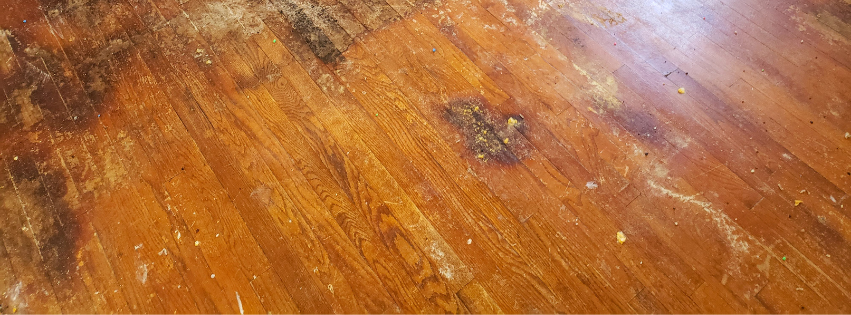
Not sure if your hardwood floors need cleaning or maintenance? Learn how to tell the difference and what Bucks County homeowners should do next.
By Jereme Lovekin February 5, 2026
Foot traffic isn’t the biggest threat to hardwood floors. Learn what actually causes wear and how Bucks County homeowners can prevent costly damage.
By Jereme Lovekin February 3, 2026
Think spring is the best time for floor maintenance? Learn why winter is ideal for hardwood floor care in Bucks County homes.
By Jereme Lovekin January 29, 2026
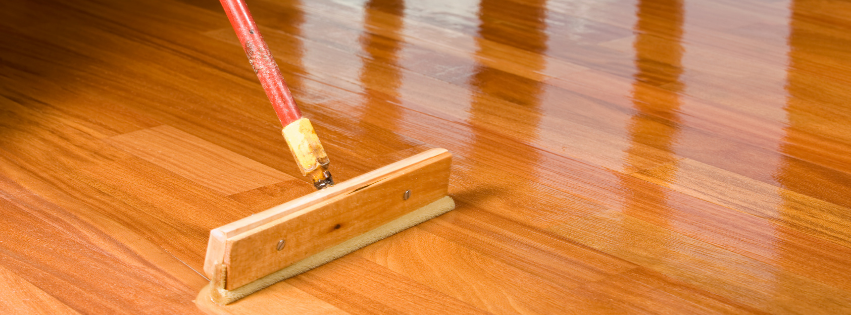
Wondering how long a hardwood floor finish should last? Learn what affects lifespan, warning signs of wear, and when maintenance is needed in Bucks County homes.
By Jereme Lovekin January 27, 2026
Cleaned your hardwood floors but they still look dull? Learn why cleaning alone doesn’t restore shine and what Bucks County homeowners can do next.
Show More