New Floors Should Last Longer… Right?
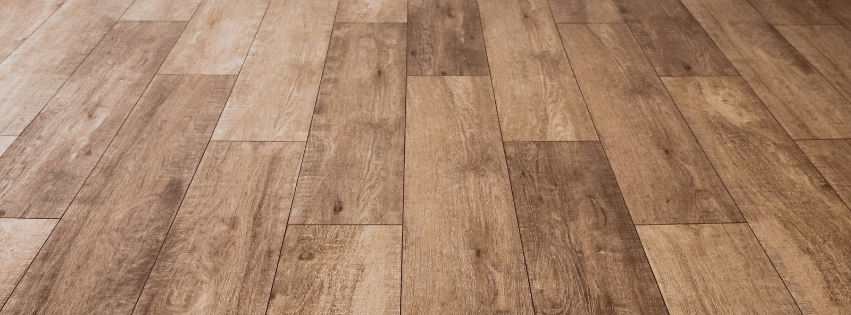
It’s a common assumption: newer hardwood floors should be more durable than older ones.
So when homeowners in Bucks County notice scratches, dullness, or wear patterns forming just a few years after installation, it feels frustrating — even alarming.
The truth is, newer floors sometimes wear faster than older ones. Not because they’re poorly made, but because several subtle factors are at play.
Understanding those factors helps you protect your investment from the start.
1. Modern Finishes Behave Differently
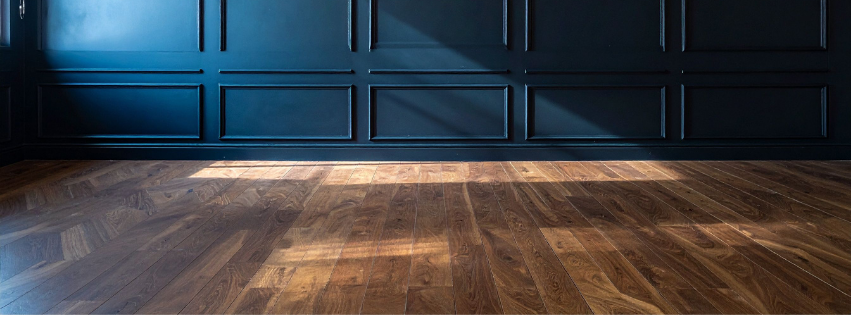
Many newer floors are finished with factory-applied coatings designed for durability and convenience.
While these finishes are strong, they can:
- Show surface scratches more visibly
- Reflect light differently
- Wear unevenly in high-traffic zones
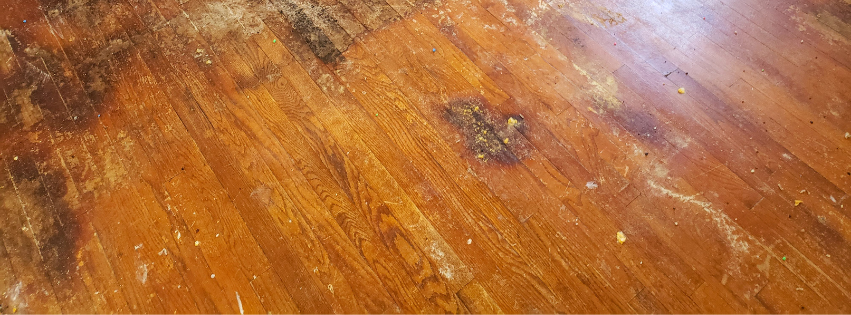
Older site-finished floors often develop a more blended patina over time, making wear less noticeable.
2. Today’s Homes See More Open Traffic Patterns
Older homes often had:
- Separate rooms
- Defined walkways
- Rugs in heavy-use areas
Modern open-concept layouts funnel traffic into the same continuous paths. Kitchens, living rooms, and hallways blend into one large wear zone.
This concentrates friction in fewer areas, accelerating visible wear.
3. Harder Doesn’t Always Mean More Durable
Some newer hardwood species are marketed as “harder” or more resistant to dents. While hardness affects denting, it doesn’t prevent finish wear.
The finish is still the first line of defense. Once it begins to thin:
- Micro-scratches scatter light
- Shine fades quickly
- High-traffic areas look flat
It’s often the finish — not the wood — that wears first.
4. Lifestyle Changes Matter More Than Age
New floors often go into homes during:
- Renovations
- Growing family stages
- Pet adoption
- Increased home use (remote work)
More activity means more wear.
Older floors that survived decades may have benefited from lighter use patterns or routine maintenance that extended their life.
5. Maintenance Timing Is Often Overlooked with New Floors
One of the biggest reasons newer floors wear prematurely is simple:
Homeowners assume they don’t need maintenance yet.
By the time dullness becomes noticeable, the finish may already be thinning in key areas.
Early maintenance protects the wood before damage progresses.
6. Expectations Are Higher with New Floors
There’s also a psychological factor.
Minor scratches on older floors blend into the character of the home. The same scratch on a new floor feels like a flaw.
New floors tend to highlight imperfections more clearly because the surface is uniform and reflective.
How to Protect New Hardwood Floors from Early Wear
For Bucks County homeowners with recently installed floors:
- Use quality entry mats
- Add felt pads under all furniture
- Maintain stable indoor humidity
- Avoid residue-building cleaners
- Schedule professional maintenance before wear becomes obvious
Proactive care dramatically extends finish lifespan.
Final Thoughts
New hardwood floors don’t wear faster because they’re inferior. They wear faster when lifestyle, layout, and maintenance timing aren’t aligned.
Understanding how finishes behave and how traffic affects them allows you to protect your floors intelligently — whether they’re new or decades old.
At
ProFresh Floor Care, we help Bucks County homeowners preserve both new and historic hardwood floors with the right maintenance at the right time.
📞
Schedule a professional evaluation and keep your floors looking their best for years to come.