Before Any Floor Work Begins, One Step Matters Most
Many homeowners hesitate to schedule floor service because they’re unsure what comes first. They worry about pressure, surprise costs, or being pushed into work they don’t need.
That’s where a
professional floor assessment comes in.
It’s not a sales pitch. It’s a diagnostic process designed to help homeowners understand what their floors actually need — and just as importantly, what they
don’t.
Step 1: Understanding How Your Home Is Used
A proper assessment starts with questions, not tools.
A professional will ask about:
- How many people live in the home
- Pets and foot traffic patterns
- Cleaning routines and products used
- Any past floor work or repairs
This context matters because two floors can look similar but require completely different care based on lifestyle alone.
Step 2: Evaluating the Condition of the Finish
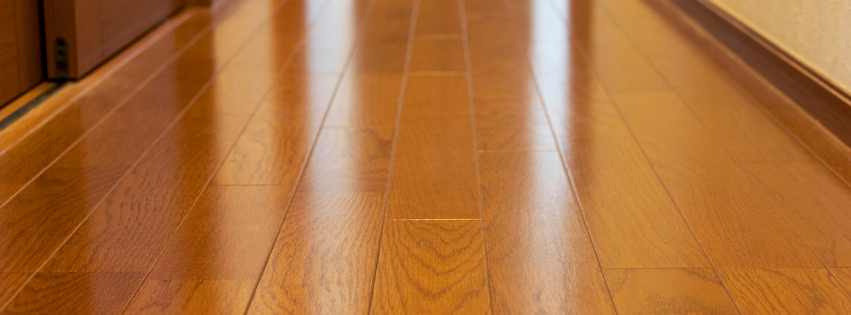
The protective finish is examined first because it determines most maintenance decisions.
This includes checking:
- Overall sheen and consistency
- Wear patterns in high-traffic areas
- Water resistance using simple tests
- Signs of residue or product buildup
At this stage, professionals can often tell whether cleaning, maintenance, or deeper work is appropriate.
Step 3: Inspecting the Wood Beneath
If finish wear is significant, the assessment continues to the wood itself.
This involves looking for:
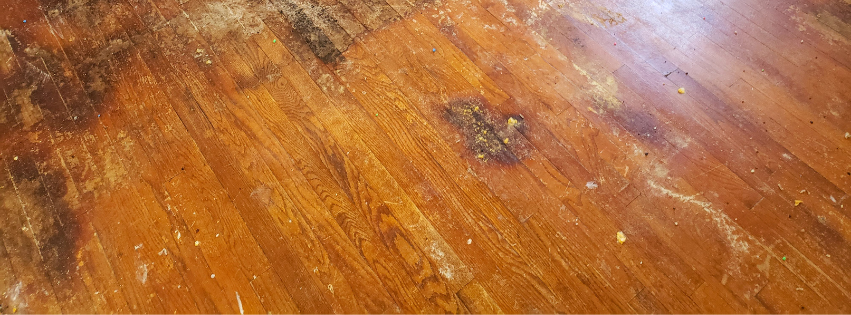
- Exposed or darkened wood
- Deep scratches or gouges
- Cupping, gaps, or movement
- Moisture-related discoloration
This step ensures that recommendations are based on structure, not just appearance.
Step 4: Identifying Problem Areas, Not Just Whole Floors
A good assessment doesn’t assume the entire floor needs the same treatment.
Professionals look at:
- Entryways vs bedrooms
- Hallways vs living spaces
- Sun-exposed areas
- Furniture and rug placement
This helps determine whether maintenance can be targeted or should be applied more broadly for consistent results.
Step 5: Discussing Options Without Pressure
After evaluation, homeowners should be presented with
clear options, not ultimatums.
This typically includes:
- What your floors need now
- What can wait
- Preventative steps to avoid future damage
- Timing recommendations based on season
The goal is clarity, not urgency.
Why Skipping an Assessment Often Costs More
Without proper evaluation, homeowners often:
- Choose services that don’t solve the problem
- Delay maintenance too long
- Overpay for unnecessary work
- Miss opportunities to extend floor lifespan
A short assessment can prevent years of avoidable wear.
Why Local Experience Matters in Bucks County Homes
Bucks County homes vary widely, from historic properties to modern builds. Flooring age, wood type, and previous finishes all influence maintenance decisions.
Local experience helps professionals recognize:
- Common wear patterns in the area
- Seasonal stress factors
- Older floor construction differences
This leads to better recommendations and better outcomes.
Final Thoughts
A professional floor assessment isn’t about committing to work. It’s about understanding your floors so you can make informed decisions.
For Bucks County homeowners, that clarity often means fewer surprises, lower long-term costs, and floors that last longer.
At
ProFresh Floor Care, assessments are designed to educate first and recommend second — so homeowners feel confident every step of the way.
📞
Schedule a professional floor assessment and get honest answers before making any decisions.